

Semi-Truck: What It Is, Dimensions, and Advantages
Characteristics and advantages of the articulated vehicle in freight transport.
What is a Semi-Truck?
A semi-truck, also known as an articulated vehicle, is a fundamental vehicle in the freight transport sector.
It consists of two main parts: the tractor unit and the trailer. This configuration allows for greater flexibility and maneuverability compared to other traditional trucks.
The front part, the tractor unit, is equipped with a powerful engine and a cab for the driver, while the rear part is the trailer where the goods to be transported are loaded.
This structural distinction makes the semi-truck very versatile for various applications in transporting heavy and bulky goods.
Semi-Truck or Articulated Vehicle?
A semi-truck and an articulated vehicle are the exact same vehicle.
"Semi-truck" is the common, colloquial term (often improperly used as a synonym for TIR), while "articulated vehicle" is the official technical definition.
Dimensions of a Semi-Truck
In freight transport and logistics, knowing vehicle dimensions is essential for optimizing costs and planning loads.
The semi-truck is the most widely used vehicle for large volumes: let's look at its standard dimensions and load capacity:
Maximum length: 16.50 m
Maximum width: 2.55 m (2.60 m for refrigerated vehicles)
Maximum height: 4.00 m
Gross Vehicle Weight (GVW):
40 tonnes (4-axle vehicle)
44 tonnes (vehicle with 5 or more axles)
Trailer length: 13.6 m
Trailer payload capacity: Approximately 24 - 28 tonnes (depending on the tare weight of the tractor unit and semi-trailer)
Standard load capacity: Up to 33 Euro pallets (on a 13.60 m curtainsider or refrigerated semi-trailer)
Advantages of Using a Semi-Truck
The use of semi-trucks in the transport sector offers numerous advantages:
High load capacity: The loading deck reaches up to 13.6 meters in length and can carry a gross weight of up to 40–44 tonnes (depending on the number of axles), making it ideal for bulky or heavy goods.
Cost efficiency: It allows space optimization and achieves a lower cost per transported unit compared to smaller vehicles, especially over medium and long distances.
Versatility: They can be equipped with different types of trailers (curtainsider, refrigerated, flatbed), easily adapting to specific cargo requirements.
Vehicle interchangeability: The road tractor is separate from the semi-trailer. This allows the trailer to be uncoupled for loading/unloading operations and the tractor unit to be used with another semi-trailer, avoiding vehicle downtime.
What Are Curtainsider Semi-Trucks?
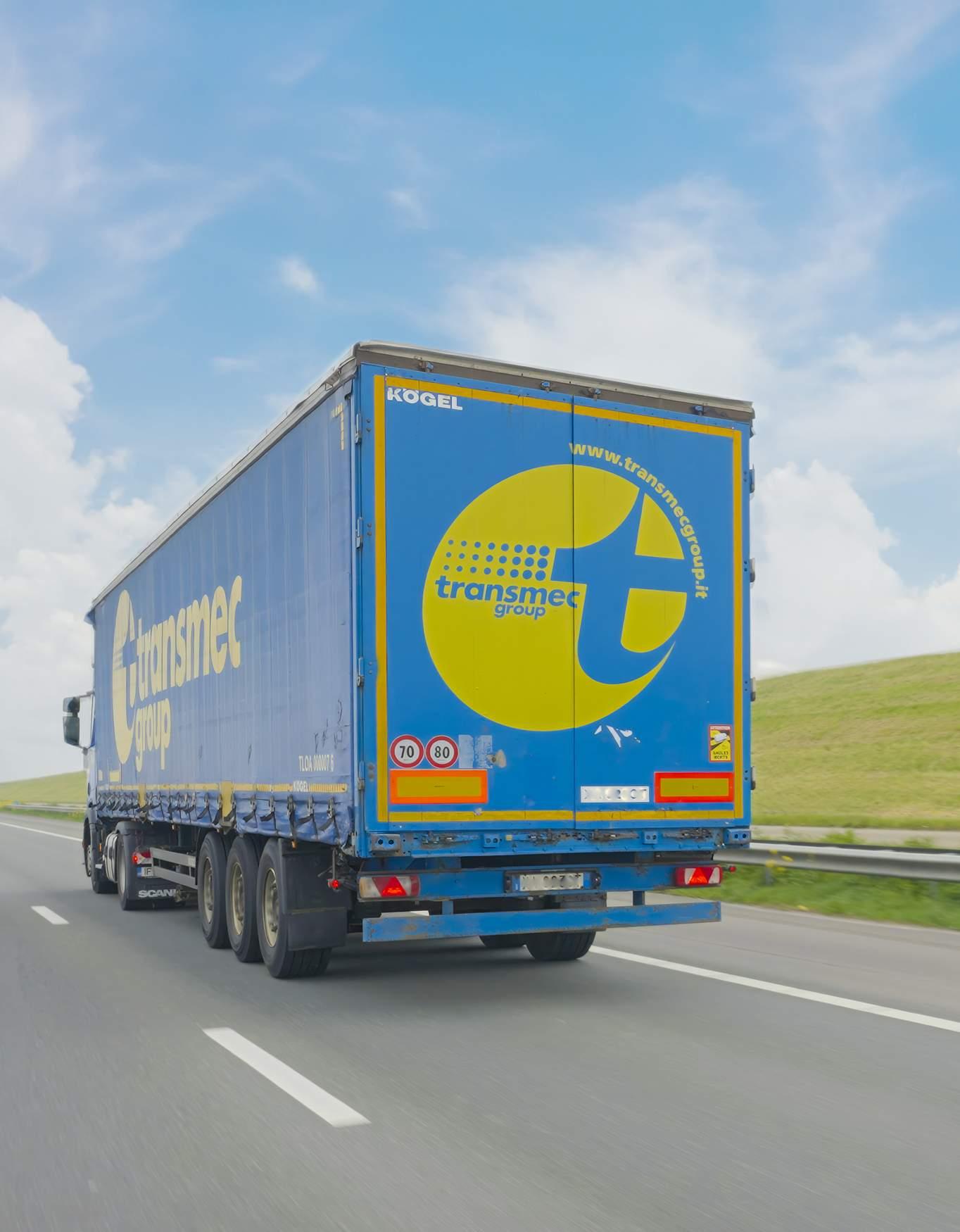
Curtainsider semi-trucks are a particular type of commonly used semi-truck characterized by a structure covered with a tarpaulin frame (tilt/curtainsider body).
This structure consists of a modular metal cage (with removable posts and crossbars) covered by a heavy-duty waterproof plastic tarpaulin.
This solution protects the transported goods from weather elements and facilitates loading and unloading operations.
Thanks to their versatility, curtainsider semi-trucks are widely used in the logistics sector for handling various types of goods.
The tarpaulin and the side/top structure can be opened, allowing goods to be loaded and unloaded from all four sides (right, left, rear) and even from above (via crane or overhead crane).