

Free Domicile: A Complete Guide to Logistics and Delivery Terms
Who pays and who assumes the risk? Discover how the Free Domicile clause protects your purchases and simplifies your supply chain.
Free Domicile: Meaning and Usage
The term "Free Domicile" (often associated with the concept of Freight Prepaid) identifies a specific sales condition in which the seller agrees to deliver the goods to a location agreed upon with the buyer, assuming all costs and risks associated with transport.
By choosing this delivery term, the "journey" of the goods is entirely under the supplier's responsibility.
This covers a series of micro-costs and responsibilities that often go unnoticed: from suitable packaging for transport stresses, to handling administrative red tape, up to potential insurance coverage.
The transfer of ownership and risk occurs at the designated delivery point.
Free Domicile Delivery: Advantages and Disadvantages
For buyers, Free Domicile delivery represents a form of outsourcing logistical risk.
First of all, the buyer enjoys full financial transparency.
The agreed price on the invoice is a "final" cost that will not vary due to fuel price fluctuations, transport delays, or unforeseen storage fees.
In addition, operational management is kept to a minimum: the buyer does not need to book pickups, monitor tracking, or negotiate rates with carriers.
Another fundamental aspect concerns damage management.
If goods arrive damaged in a Free Domicile shipment, the buyer can refuse the load or accept it with reservations, leaving the seller to deal with the carrier for compensation.
This guarantees superior financial and legal protection compared to other delivery terms.
Although there are many advantages to Free Domicile transport, there are also some disadvantages to consider.
First, costs can be higher compared to other modes, as the seller may include a larger margin to cover potential unforeseen shipping issues.
Furthermore, claims management can be more complex, as the buyer may have less control over logistics compared to a shipment where they handle the transport themselves.
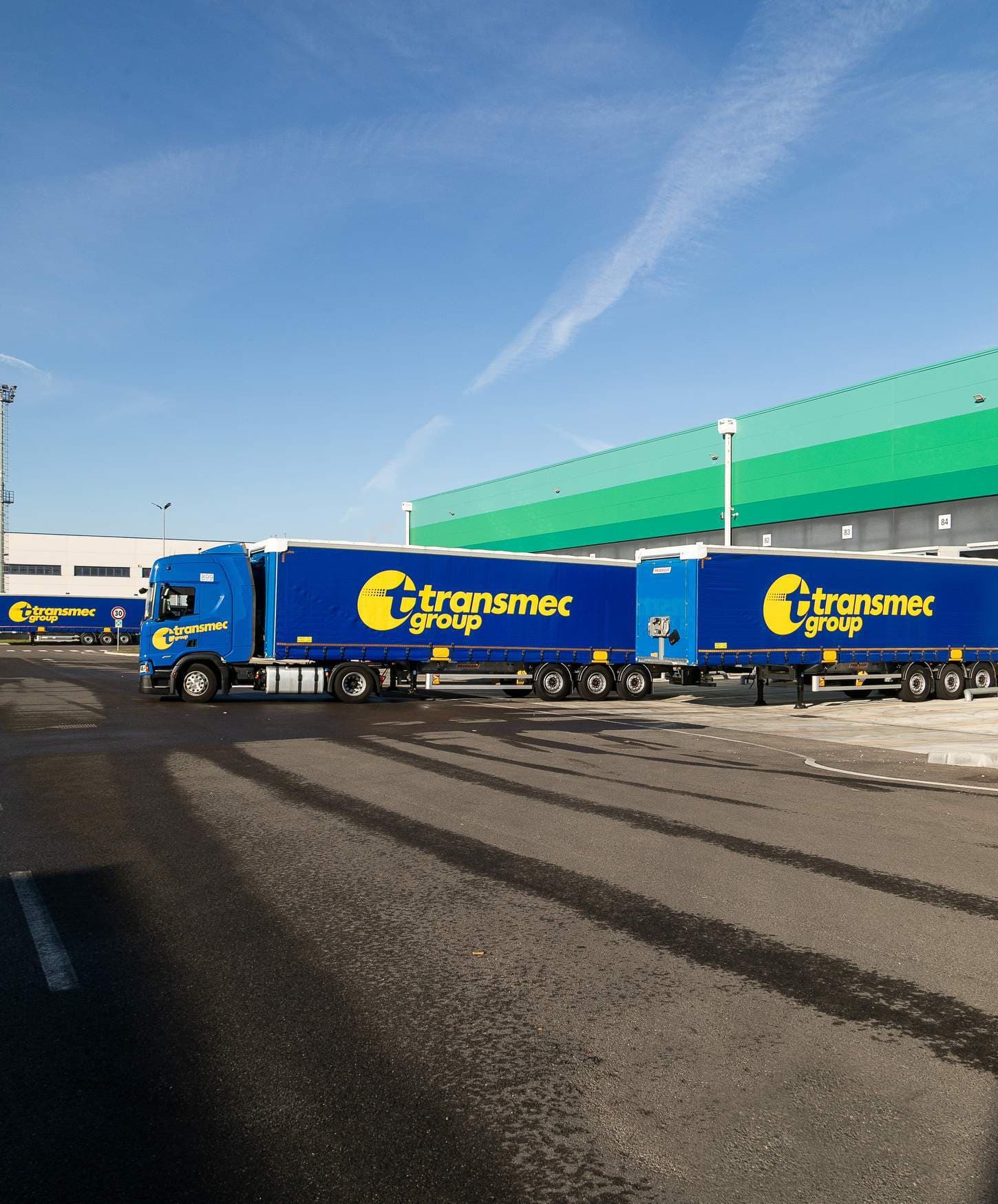
Difference Between Carriage Forward and Free Domicile
To fully understand the value of Free Domicile, it is necessary to analyze its opposite: Carriage Forward.
While in Free Domicile the seller plays the central role in logistics, in Carriage Forward the ball is entirely in the buyer's court.
In the latter case, the seller merely makes the goods available at their own facility; from that moment on, every loading, transport, and insurance cost is borne by the buyer.
The choice between these two modes often depends on the bargaining power and infrastructure of the parties.
A buyer with an owned fleet or extremely advantageous logistics contracts might prefer Carriage Forward to save money, whereas a small business or end consumer will almost always find Free Domicile more convenient.
Integration with Incoterms
In international trade, the concept of Free Domicile finds its technical equivalent in Incoterms (International Commercial Terms).
The term that comes closest to this concept is DDP (Delivered Duty Paid).
In this scenario, the seller not only pays for transport but also handles customs clearance and the payment of duties and taxes in the destination country.
What Does Delivered to Customer Mean?
Delivered to Customer, or delivered to recipient, refers to when a shipment is delivered directly to the end customer without further intermediate steps.
This mode is often preferred in B2C (business-to-consumer) transactions, where customer satisfaction is paramount.
Here, logistics becomes an integral part of the buying experience: the end customer expects the product to arrive directly at their door without extra "hidden" costs.
In this context, Free Domicile is not just a delivery term, but a true marketing and retention tool.