

FAS Incoterms: Complete Guide to Free Alongside Ship
Rules, responsibilities, and critical issues of free alongside ship delivery.
Meaning of FAS - Free Alongside Ship
The term FAS, or "free alongside ship", indicates that the seller is required to deliver the goods alongside the ship designated by the buyer.
At this point, responsibility transfers to the buyer, who must bear the costs and risks from that moment onwards.
This means that the seller is not responsible for any damage or loss that might occur once the goods have been placed alongside the ship.
When to Use the FAS Incoterm?
FAS Incoterms are particularly useful when carrying out maritime transport.
It is recommended to use them in situations where:
The buyer has already arranged a freight contract with a maritime carrier.
The goods must be loaded onto a specific ship at a specific port.
Complicated loading operations or specific port requirements are foreseen.
The Advantages of the FAS Incoterm
Adopting the FAS incoterm offers several advantages:
Simplicity in shipping management: It clarifies the responsibilities between seller and buyer.
Reduced cost for the seller: There is no need to pay loading costs onto the ship.
Better control over logistics: The buyer can directly manage the maritime transport according to their own needs.
Obligations of the Seller and the Buyer
Seller's Obligations
Under the FAS Incoterm, the seller is responsible for managing "land-side" logistics up to the moment the goods touch the loading dock.
Preparation and Checking: Not only preparing the goods, but ensuring proper packaging for maritime transport and bearing the costs of any quality checks (weighing, counting) required by the contract.
Export Customs Clearance: Obtaining at their own expense all export licenses and completing the necessary customs formalities. Without this step, the goods cannot legally leave the country.
Delivery "Alongside": Transporting the goods to the port and placing them exactly alongside the ship designated by the buyer (on the dock or on barges), at the agreed point and time.
Proof of Delivery: Providing the buyer with the usual proof of successful delivery (such as the terminal receipt or dock receipt).
Buyer's Obligations
From the moment the goods are placed alongside the ship, the center of gravity of responsibilities shifts entirely to the buyer.
Payment for the Goods: Settling the supply price as established in the sales contract.
Contract of Carriage: Booking space on the ship and bearing all maritime freight costs. The buyer must communicate the name of the ship and the precise loading point to the seller.
Loading Costs (THC): Unlike FOB, in FAS it is the buyer who pays for the operations of lifting the goods from the dock into the ship's hold.
Transfer of Risk: Bearing all risks of loss or damage to the goods from the moment they are delivered "alongside". If a cargo falls into the water during lifting, the risk is already the buyer's.
Customs and Import: Managing import customs formalities, paying duties, taxes, and organizing final transport from the destination port to the warehouse.
Practical Example: Application of the FAS Incoterm
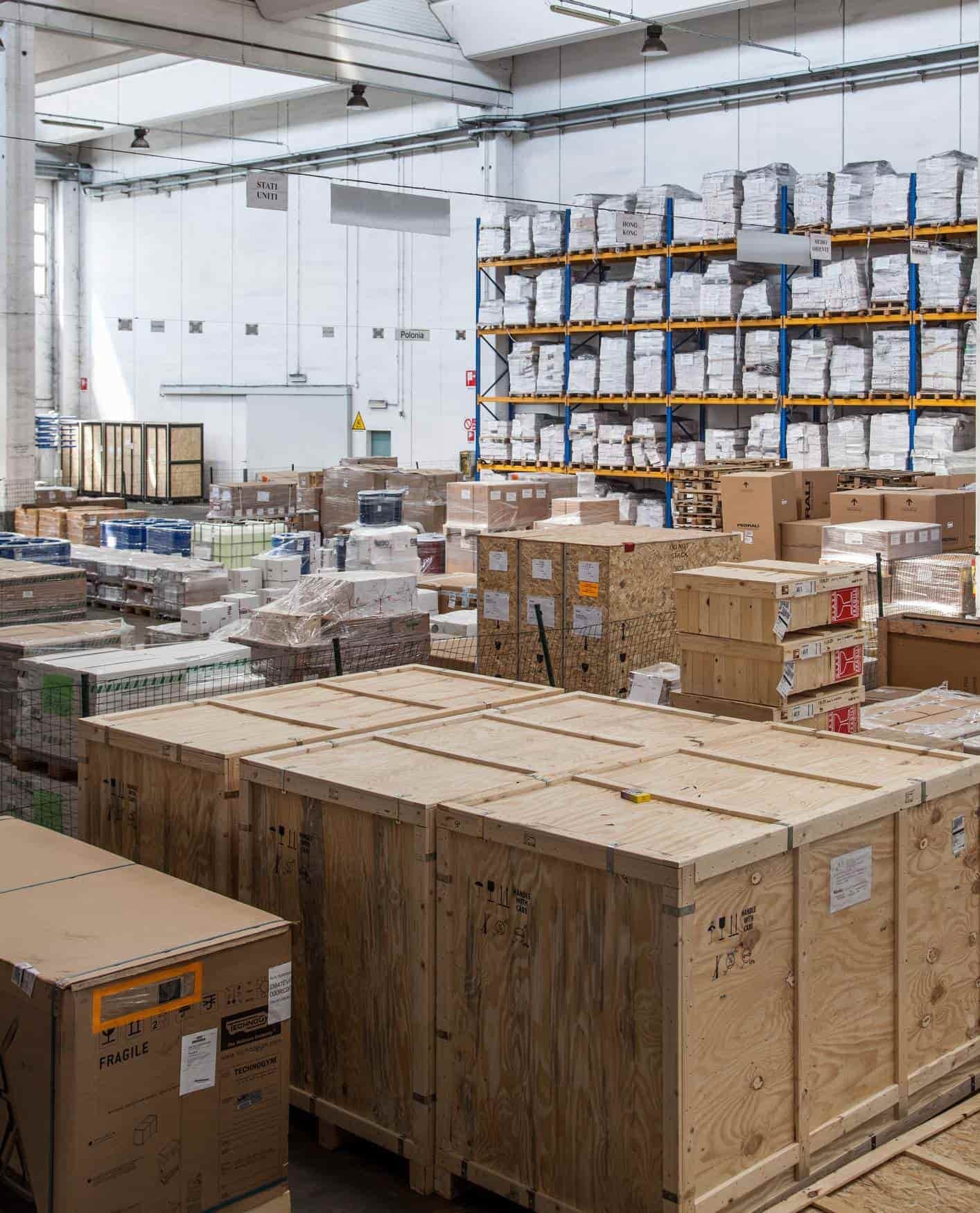
Let's consider an Italian company exporting machinery to Brazil using the FAS incoterm.
Once manufactured, the machinery is transported to the port of Genoa.
Here, the seller takes care of all customs procedures for export and places the machinery alongside the ship chosen by the buyer.
From that moment on, all expenses related to transport and risks pass to the Brazilian buyer.
Common mistakes to avoid
Even though FAS Incoterms can simplify commercial transactions, there are some common mistakes to avoid:
Lack of clarity on terms: Always ensure both parties understand what the chosen incoterm entails.
No verification of local regulations: Always check local laws regarding imports and exports before shipping.
Underestimating risks during transport: Remember that after delivery alongside the ship, every risk falls on the buyer.
Our support for FAS delivery
FAS Incoterms, therefore, represent a useful tool in international trade, but they require attention to detail and a good understanding of the mutual responsibilities between seller and buyer.
Knowing these rules thoroughly will allow you to optimize your commercial operations and avoid conflicts during the goods shipping process.
If your company needs support in managing FAS shipments, in relationships with the terminal, or in evaluating the most suitable Incoterm for your needs, our team is ready to assist you.
We provide tailor-made logistics solutions and specialized consultancy, ensuring efficient, coordinated port operations that fully comply with international standards.