

Ex Works (EXW): A Comprehensive Guide to Delivery Terms
How to avoid unexpected costs and correctly manage the distribution of risks in ex-works logistics.
What does Ex Works mean?
The term EXW – Ex Works (usually meaning the seller's premises or warehouse) defines one of the Incoterms clauses.
These "international commercial terms" clearly and uniquely establish the responsibilities, costs, and obligations of the parties involved in an exchange of goods between different countries.
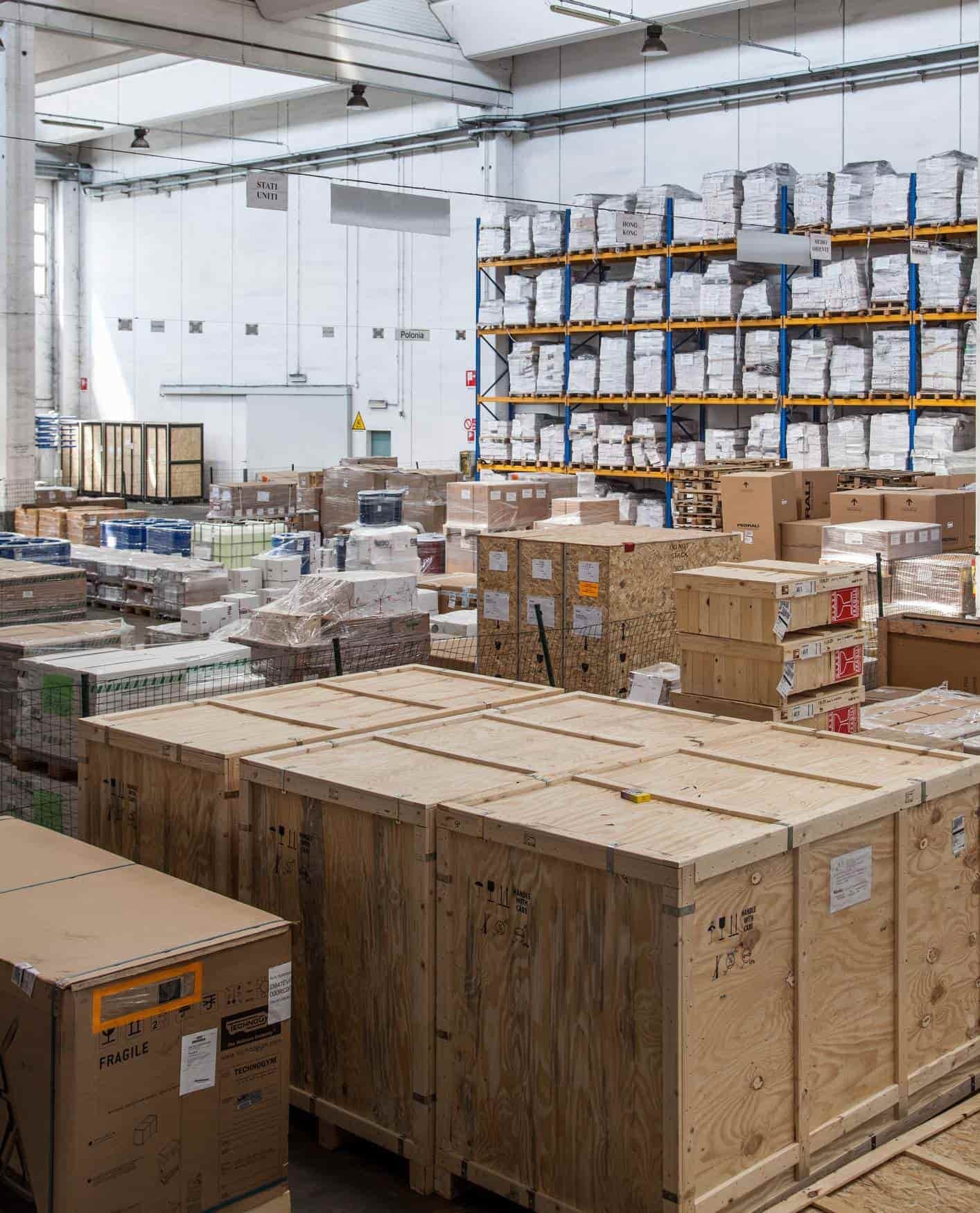
Ex works indicates a delivery method in which the seller fulfills their obligations simply by making the goods available at their plant or warehouse.
This implies that all expenses and risks related to the transport of the goods to the destination are borne by the buyer.
This incoterm is one of the simplest and least burdensome for the seller but also involves significant responsibilities for the buyer.
The main obligations of the seller and the buyer
The seller must ensure that the goods are ready for use or transport at the specified location.
Furthermore, they are responsible for correct packaging and providing the documents necessary for the collection of the goods by the buyer.
Summary of the seller's main obligations:
Make the goods available at the agreed place;
Provide the necessary documentation to allow the buyer to carry out customs formalities;
Assist the buyer in obtaining any authorizations or licenses required for export;
Collaborate and provide useful information so that the buyer can take out the appropriate insurance policy.
The buyer, on the other hand, must take care of all expenses and risks relating to transport, including: collection of the goods, transport costs, customs procedures, and any other costs associated until final delivery.
Arrange for the collection of the goods at the agreed place;
Manage all export customs formalities, including authorizations, licenses, and declarations required by local regulations;
Organize and bear the costs of transport, from collection to final delivery;
Take out insurance, if deemed necessary, based on the information provided by the seller;
Assume the risks on the goods from the moment they are made available at the established delivery point.
Risks associated with Ex Works delivery terms
The EXW – Ex Works delivery is apparently simple, but must be used with caution because it presents several operational and customs criticalities:
Export customs at the buyer's expense: In most countries (including Italy), only a locally established entity can manage the export declaration. With EXW, however, the obligation would be on the foreign buyer, often creating compliance problems.
Lack of proof of export for the seller: Using EXW, the seller has no control over transport, so they cannot easily obtain official exit documents for the goods. This can create tax risks, especially for VAT-exempt supplies.
Loading at the buyer's risk: The buyer should take care of loading onto the vehicle at the seller's premises. In practice, this can cause delays, damage, or discussions about safety and responsibility.
High risk of disputes: The lack of operational clarity, especially if the carrier is appointed by the buyer, can generate problems regarding the transfer of risk, timing, and conditions of collection.
Unsuitable for international shipments: EXW is considered an "unbalanced" term, more useful for domestic sales or simple collections. For export, the International Chamber of Commerce (ICC) suggests more suitable alternatives such as FCA.
The advantages of using Incoterms EXW
The adoption of the ex works incoterm also offers some advantages, especially from the seller's point of view:
Operational Simplicity: Fewer complications in logistics management by the seller.
Low Financial Risk: Financial risk is limited since responsibility ends once the goods are available at the point of departure.
What to consider before using Ex Works?
In choosing to use the ex works incoterm, it is essential to consider several factors:
Nature of the Goods: Some products may require specific import regulations that could complicate things for the buyer.
Reliable Partner Companies: It is essential to collaborate with reliable suppliers.
Practical example of Ex Works application
Let’s think of an Italian producer who sells machinery to a buyer in the United States.
Choosing the ex works mode, the producer prepares the machinery in his plant in Milan.
The buyer must then organize a maritime transport up to his own warehouse in the United States, taking care of the necessary customs procedures.
In this scenario, all the costs and the risks linked to the transport fall on the buyer once the machinery is ready to be picked up from the producer.
The use of the incoterm ex works can reveal itself advantageous if managed with attention.
Always assure yourselves to have a clear plan on how to manage logistics and costs before proceeding with international transactions based on this mode.
Knowing thoroughly your own responsibilities will allow you to avoid unwelcome surprises along the way.
When one speaks of EXW and FCA terms, it is important to remember that, while both belonging to the Incoterms of group E/F, they differ in a significant way for responsibility and operational management.
Who pays with EXW delivery terms?
With EXW delivery, it is the buyer who bears practically all costs related to transport.
This means they will have to take charge of the collection of the goods, loading onto the vehicle, internal transport to the place of departure, export customs procedures, international transport and, finally, duties, taxes, and final delivery.
The seller, on the other hand, does not incur any logistics costs beyond packaging and the simple preparation of the goods at the agreed point for collection.
Our support for EXW deliveries terms
The Incoterm EXW – Ex Works is a simple and advantageous solution for the seller, but requires a strong organizational capacity on the part of the buyer. For some exports, it can result little practical or even counterproductive, especially from the customs point of view.
If your company desires support in the management of shipments, of EXW pick-ups or in the consultancy on the best Incoterms to adopt, our team is at disposal to offer you a tailor-made logistic solution.