

CPT Incoterms: Complete Guide to Carriage Paid To
Rules, responsibilities, and risks in international CPT transport.
What Are CPT Incoterms?
The meaning of CPT translates to "carriage paid to".
This implies that the seller organizes and pays for the transport of the goods to a specific point, but does not assume responsibility for any damage or loss that might occur after delivery to the carrier.
This distinction is crucial for companies operating internationally, as it determines who is responsible during the various stages of transport.
The CPT term is mainly used for air and land shipments, as it is applicable to all transport modes. In the case of shipments exclusively by sea, the equivalent and more commonly used term is CFR (Cost and Freight). When using CPT Incoterms, it is essential to include specific details in the commercial contract regarding:
• Exact place of delivery to the carrier.
• Who is responsible for insurance during transport.
• The documents required to clear the goods through customs upon arrival.
Having clarity on these aspects can prevent future disputes between the parties involved in the commercial transaction.
When to use CPT Incoterms?
CPT terms are particularly suitable for shipments where:
Transport costs are a significant part of the transaction.
Both seller and buyer are familiar with the logistical modes involved.
Post-delivery risks can be easily managed by the buyer.
Shipments mainly occur by air or land; for maritime transport, however, the use of CFR is generally more suitable.
Advantages and Disadvantages of CPT Delivery
The adoption of CPT Incoterms presents several advantages:
Simplicity in transport management: The seller handles the logistical organization.
Predictable costs: Transport costs are defined in advance in the contract.
Flexibility: It can be used with various transport modes (maritime, air, land). In operational practice, however, CPT finds greater application in air and land transport, whereas for maritime transport the CFR term is generally preferred, being more specific to that mode.
However, there are also disadvantages to consider:
Risk transferred to the buyer: The risk of loss or damage to the goods passes to the buyer as soon as it is handed over to the carrier.
Little clarity on subsequent costs: Any additional costs after delivery may turn out to be unexpected for the buyer.
Practical Example of Using CPT
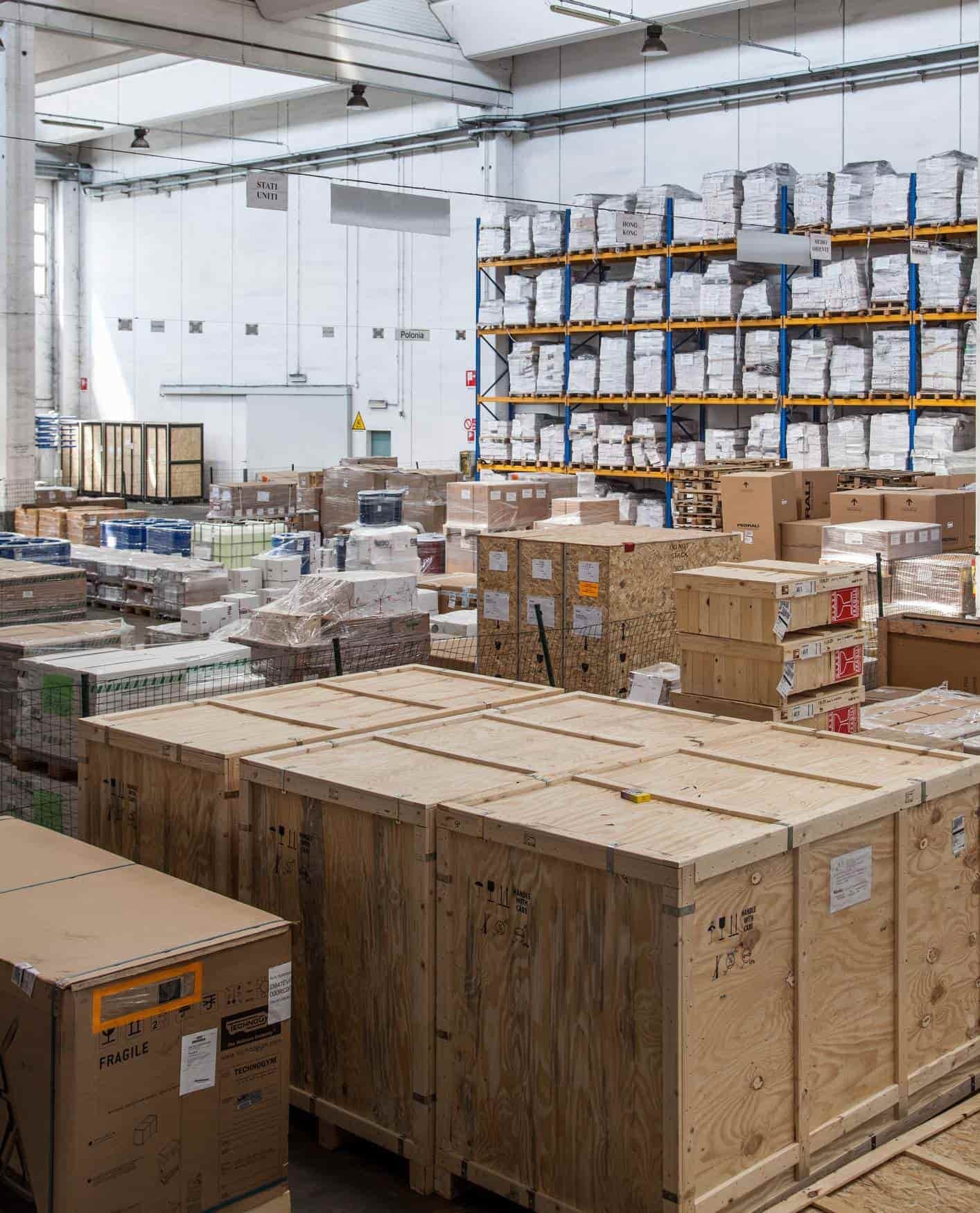
Imagine a situation where an Italian company sells machinery to a customer in the United States.
Using CPT Incoterms, the Italian company would organize maritime transport to the designated port in the USA.
Once the machinery has been loaded onto the vessel, responsibility passes to the American buyer, even though all costs up to that point were covered by the seller.
Our support for CPT deliveries
The CPT – Carriage Paid To Incoterm is a versatile solution, ideal for multimodal shipments and particularly common in air and land transport, where the seller takes care of transport up to the agreed place of destination, while risk passes much earlier, at the time of delivery to the first carrier.
This feature makes CPT efficient from an organizational standpoint, but requires attention when choosing carriers, managing transfers of responsibility, and coordinating the various logistical phases.
If your company needs assistance in managing CPT shipments, organizing main transport, or choosing the most suitable Incoterm for your operations, our team is ready to support you.
We offer dedicated advice and tailor-made logistics solutions, ensuring reliable, traceable shipments that comply with international standards.